
Arrival and warm-up
We schedule kids' appointments at low-traffic times so the waiting room is quiet. Most kids tour the operatory before sitting down, they get to see the chair, the spinning brush, the air-water syringe. Knowing what each tool does before it's used in their mouth reduces anxiety dramatically.
The exam itself
A typical pediatric exam includes:
- Counting teeth aloud (a familiar activity for younger kids)
- Checking each tooth for early decay or developmental issues
- Looking at bite alignment as permanent teeth come in
- Examining gums for signs of inflammation or habits like tongue thrust
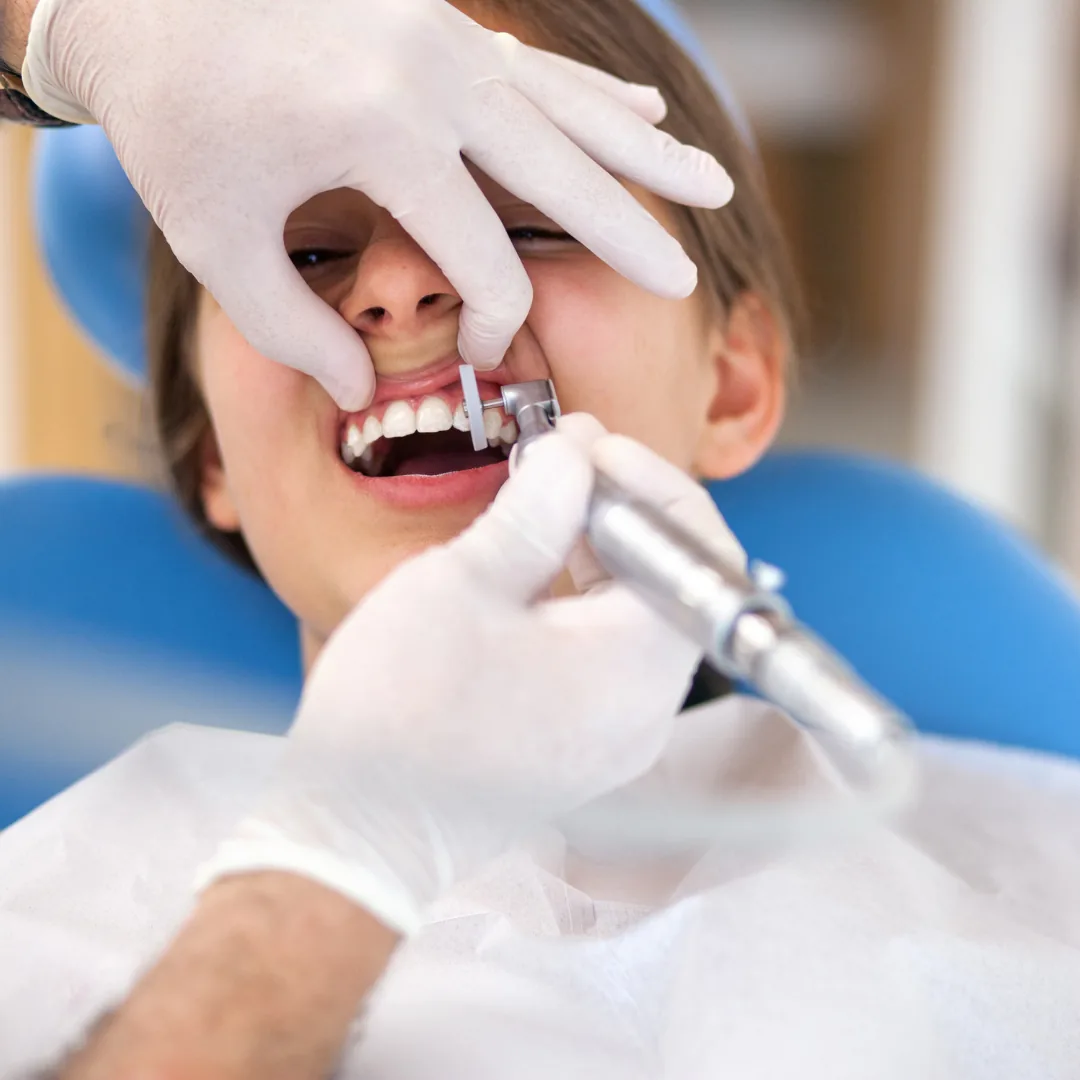
- A gentle cleaning with a small motorized brush or hand instruments
- Fluoride varnish painted on after the cleaning
X-rays, when and how often
X-rays aren't done at every pediatric visit. The American Academy of Pediatric Dentistry recommends them based on the individual child's cavity risk, age, and dental development. For low-risk kids, bitewing X-rays once every 12-24 months is typical. For higher-risk kids, more often. We always use the smallest age-appropriate sensor and a lead apron, and modern digital X-rays use up to 90% less radiation than older film systems.
Discussion with parents
After the exam, Dr. Sidhu spends a few minutes with the parent reviewing what we saw, answering questions, and adjusting any home-care guidance. We address sippy cup habits, thumb-sucking, pacifier use, and questions about nutrition. No question is too small, we'd rather answer something basic than leave a parent guessing.
Leaving the office
Most kids leave with a new toothbrush, a sticker, and a sense of pride. We schedule the next visit before you leave so the routine stays predictable. Six-month cleanings build the habit; the goal is for your child to grow up thinking of the dental office as familiar territory.
If your child gets anxious, what we do
Not every child sails through their first dental visit. We have a layered approach for kids who are nervous or have had a bad experience elsewhere:
First, we slow everything down, there's no rushing if your child needs a few extra minutes to feel comfortable. We use tell-show-do for every tool (we describe it, let them touch it, then use it). For kids who need more, we offer noise-canceling headphones, a parent in the room, or a phased plan where the first visit is just a look-around. We don't restrain or force, that creates lifelong dental anxiety. For genuine cooperation issues with treatment needed, we coordinate with a pediatric anesthesiologist; we'd rather schedule a longer day with sedation than scar a child against future dental care.
Questions about your specific case?
Every patient's mouth is different. The article above covers the general principles, for a personalized recommendation, schedule a consultation with Dr. Sidhu.

