
Caught early, oral cancer is highly treatable
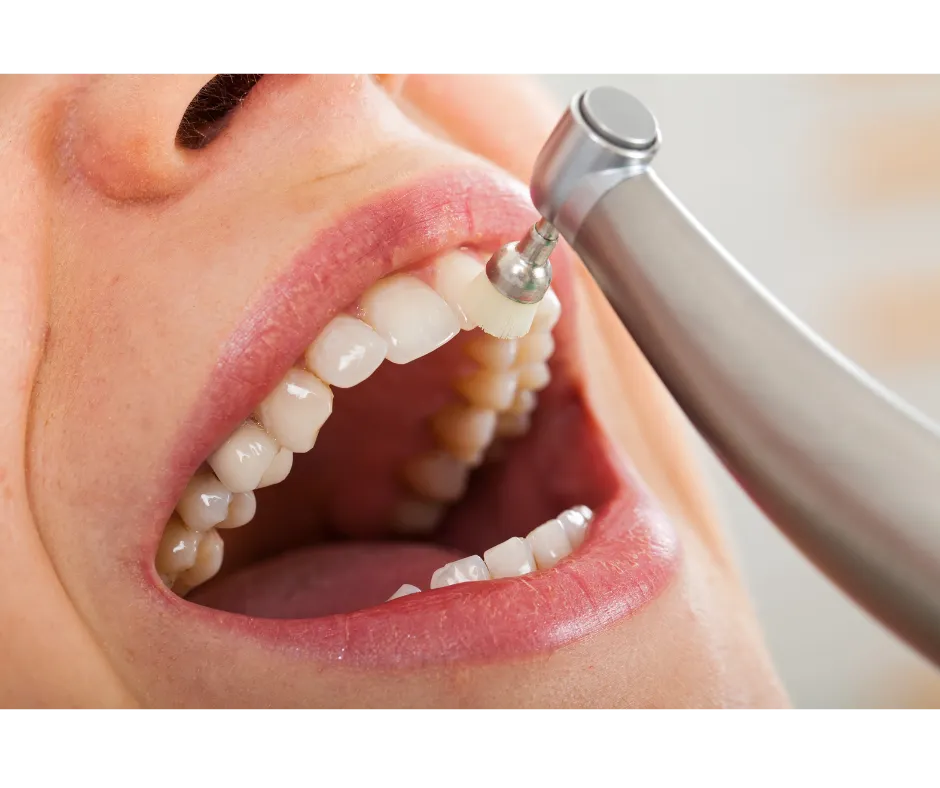
Like most cancers, oral cancer is dramatically more survivable when found early, five-year survival rates jump significantly for stage I cases. Dr. Sidhu performs a thorough visual and tactile exam of your lips, tongue, cheeks, palate, and throat at every checkup.
What we look for
Persistent sores, red or white patches, lumps, asymmetry, or unusual texture changes. We also ask about any spot in your mouth that's been there for more than two weeks, hoarseness, difficulty swallowing, or numbness. Most findings turn out to be benign, but we'd rather investigate than wait.
Risk factors worth knowing
Tobacco use, heavy alcohol consumption, HPV exposure, chronic sun exposure to the lips, and a family history of head and neck cancer all raise risk. Even without risk factors, screening is part of a complete dental exam.
Why screening at the dentist matters
Oral and oropharyngeal cancers are diagnosed in about 54,000 Americans annually. When caught early (stage I or II), the 5-year survival rate is over 80%. When caught late (stage III or IV, which is unfortunately when most cases are diagnosed), survival drops to under 40%.
Dentists screen for oral cancer at every comprehensive exam because we're often the only clinicians who routinely inspect the entire oral cavity. A 5-minute screening at a regular dental visit costs nothing extra and can be the difference between a small biopsy of an early lesion and an extensive treatment for advanced disease.
Who's at higher risk and what changes that
Risk factors that you can't change: being over 40, being male, family history, prior HPV infection (especially HPV-16). Risk factors you can change: tobacco use of any kind (cigarettes, cigars, vapes, chewing tobacco), heavy alcohol use, sun exposure on the lower lip, and untreated HPV infection.
The single biggest risk reduction comes from quitting tobacco, risk starts dropping within months and approaches non-smoker levels after 10+ years. Adding HPV vaccination (effective into adulthood) and limiting heavy drinking further reduces risk. None of these guarantee prevention, but together they substantially shift the odds.
What to expect, step by step
Here's exactly what happens at a oral cancer screenings appointment at Cusp Dental, from the moment you walk in to the followup.
-
Visual exam
We systematically inspect every oral soft-tissue surface, lips, gums, tongue (top, sides, underneath), floor of mouth, cheeks, hard and soft palate, and the back of the throat.
-
Tactile exam
Palpating the floor of mouth, the tongue, and surrounding lymph nodes (under the jaw and along the neck) checks for lumps, thickening, or asymmetry.
-
Documentation
Anything unusual is photographed and measured. We compare to prior records, most 'unusual' findings are stable variations that don't change over years.
-
Re-evaluation if needed
Lesions that aren't clearly benign get a 2-week re-check. Most resolve on their own (canker sores, traumatic ulcers, transient irritation).
-
Specialist referral
Lesions that persist past 2 weeks are referred to an oral surgeon or ENT for biopsy. We coordinate the referral and follow up afterward.
Pricing & insurance
We don't post per-service pricing here because every case is different. Call us at (916) 451-4856 for a personalized estimate. We verify your insurance benefits at no charge and give you a written all-in estimate before any treatment begins.
- Insurance
- Bundled into preventive exam fees and covered at 100% by most PPO plans.
- Financing
- Not applicable, included with preventive care.
Some practices add 'enhanced' screenings with light-based or dye-based devices for $50-$100 extra. Independent research on whether these add diagnostic value beyond a thorough manual exam is mixed; we offer them but don't pressure patients into add-on screenings without evidence of need.
Common questions about oral cancer screenings
How long does the screening take?
Just 2-3 minutes added to your routine exam. We use bright light, gentle palpation, and sometimes a special light or dye if anything looks worth a closer look.
What happens if you find something concerning?
Most findings turn out to be benign, irritation, a healing canker sore, a harmless growth. If we see something that warrants follow-up, we refer to a trusted oral surgeon or ENT for biopsy and provide a clear next step the same day.
Is it covered by insurance?
Yes, oral cancer screening is included as part of a comprehensive dental exam, which is covered by virtually every PPO dental plan.
Ready to book your oral cancer screenings appointment?
We're in-network with most major PPO plans, verify your benefits at no cost, and never push treatment you don't need. Call us or book online, same-day visits are usually available.