
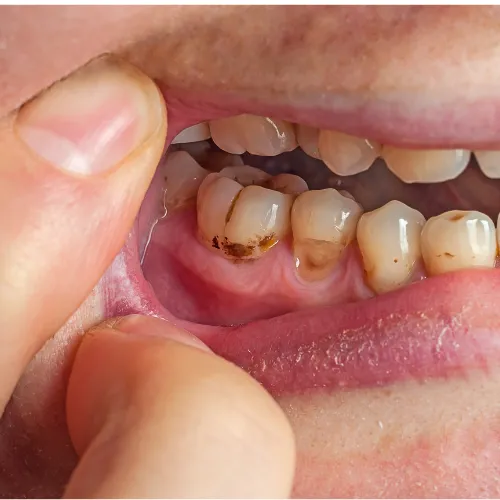
Why whitening causes sensitivity
Whitening gels work by allowing peroxide to penetrate through the enamel and break apart pigment molecules in the tooth. The same penetration temporarily opens microscopic channels in the dentin (the layer under enamel) that connect to the tooth's nerve. Cold air, cold drinks, and even biting can trigger a sharp zing while those channels are open. The channels close within 24-48 hours, and the sensitivity resolves on its own.
Before treatment: pre-condition with desensitizing toothpaste
Starting one to two weeks before whitening, switch to a desensitizing toothpaste with potassium nitrate (Sensodyne is the most familiar brand). Brush with it twice a day. The potassium gradually calms the nerve response, and the effect builds over time. Patients who pre-condition typically have noticeably less sensitivity afterward.
During treatment: pacing and intensity
If you're using take-home trays:
- Start with shorter wear times (30 minutes instead of two hours)
- Skip a day between sessions if sensitivity builds
- Use less gel, a small dot in each tooth pocket of the tray is enough
- Apply desensitizing gel (we provide a separate tube) to the trays the night before whitening sessions
After treatment: 24-48 hour easing
Most sensitivity peaks in the few hours right after whitening and resolves within 24 to 48 hours. To ease it:
- Avoid extremely cold or hot drinks for 48 hours
- Stick to room-temperature water and softer foods
- Take ibuprofen if needed (it's anti-inflammatory)
- Continue your desensitizing toothpaste for a week
When to call us
Sharp, localized pain in one specific tooth (rather than general sensitivity) can indicate a small crack or an exposed area that needs evaluation. Pain that gets worse over several days instead of better, or pain that wakes you up at night, also deserves a call. Routine whitening sensitivity is uncomfortable but predictable, anything else is worth a quick check.
How to whiten if you're already sensitive
Patients with existing sensitivity often assume whitening isn't an option. It usually is, you just need a slightly different protocol. A few approaches Dr. Sidhu uses for sensitive-teeth patients:
Pre-treat for two weeks before whitening with a 5,000-ppm prescription fluoride toothpaste (we send you home with a tube). Switch from a 35% in-office gel to a lower-concentration take-home tray system, slower results, far less sensitivity. Use desensitizing trays between whitening sessions; the same trays you use for bleach hold a calcium phosphate gel that re-mineralizes enamel. Space sessions further apart, every other day instead of consecutive days. Avoid whitening on days you've had acidic foods or drinks (citrus, soda, wine) since they amplify sensitivity. With this combination, even most patients with pre-existing sensitivity tolerate whitening comfortably and get the shade change they're after.
Questions about your specific case?
Every patient's mouth is different. The article above covers the general principles, for a personalized recommendation, schedule a consultation with Dr. Sidhu.
