What a regular cleaning actually does
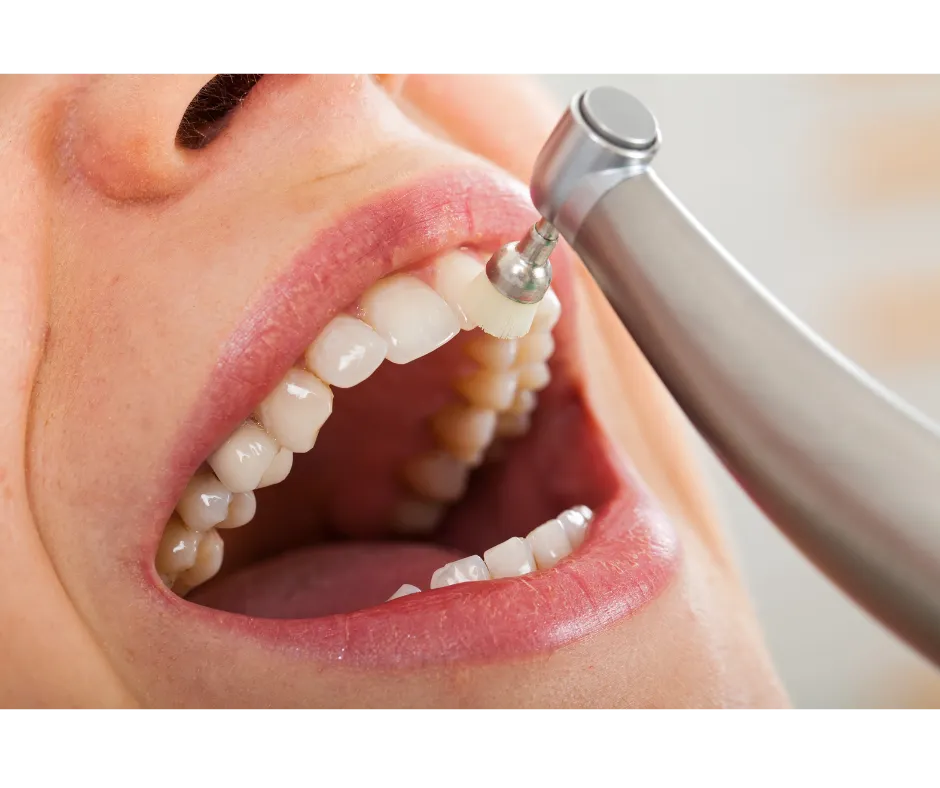
A regular cleaning, sometimes called a prophylaxis, is preventive maintenance for a healthy mouth. The hygienist removes plaque and tartar from the visible surfaces of your teeth (above the gumline), polishes them, and flosses between each one. Your dentist then performs a full exam and reviews any X-rays.
A standard cleaning takes 45 to 60 minutes and is typically scheduled every six months. It's covered by most PPO insurance plans twice a year as part of preventive care.
What a deep cleaning involves
A deep cleaning, clinically called scaling and root planing, treats active gum disease. The hygienist works below the gumline to remove tartar and bacteria from the tooth roots, then smooths the root surface so gum tissue can reattach.
Deep cleanings are usually split across two appointments (one side of the mouth at a time), each lasting 60-90 minutes. Local anesthesia is used to keep you comfortable. Antibacterial rinses or localized antibiotics may be prescribed.
How Dr. Sidhu decides which you need
At your exam, the hygienist measures the depth of the pocket between each tooth and the gum:
- 1-3 mm: healthy gums, regular cleaning is appropriate
- 4-5 mm: early gum disease, deep cleaning recommended
- 6+ mm: more advanced periodontitis, deep cleaning plus periodontal maintenance
What to expect after a deep cleaning
Mild soreness, sensitivity to hot or cold, and slight bleeding are normal for a few days. Most patients are back to a normal diet within 24 hours. Once the gums heal (typically 4-6 weeks), follow-up periodontal maintenance visits replace your regular cleanings, usually every three to four months, to keep the disease from progressing.
Deep cleanings are the difference between reversible gum inflammation and irreversible bone loss. Catching gum disease at this stage is one of the best investments you can make in long-term oral health.
How dental insurance covers each cleaning type
Routine prophylaxis cleanings are typically covered at 100% by PPO plans twice per calendar year, they're considered preventive. Deep cleanings (scaling and root planing) fall under periodontal therapy and are usually covered at 80%, often with a small deductible.
What surprises patients: insurance will only authorize a deep cleaning when X-rays and pocket measurements show it's necessary. We submit those records as part of the pre-authorization. The upside is that once approved, deep cleanings are a billable service, not an out-of-pocket upcharge. We verify your specific PPO benefits before your appointment so you'll know your share before any treatment begins.
Questions about your specific case?
Every patient's mouth is different. The article above covers the general principles, for a personalized recommendation, schedule a consultation with Dr. Sidhu.
